Your Yard Isn't Dead — Here's What to Do Now
Six weeks ago, temperatures dropped to 24°F across Central Florida and turned half the landscaping in the region into a brown, crispy mess. If you've been staring at your ixora wondering whether to rip it out or wait — the wait is over. Here's what to do right now.
What the February Freeze Did to Our Area
The late January and early February freeze wasn't a typical Central Florida cold snap. Multiple nights of subfreezing temperatures combined with high winds created conditions that hit tropical plants especially hard. Statewide damage estimates topped $1 billion, according to the Florida Department of Agriculture.
In our area — The Villages, Ocala, Leesburg, Inverness and surrounding communities — the damage showed up fast. Hibiscus, ixora, croton, firebush, and arboricola turned brown almost overnight. Palms drooped. Lantana collapsed. If your yard looked like it gave up on life, you weren't alone.
Dead or Dormant? How to Tell
The single most important thing to know six weeks later: brown doesn't mean dead.
Many tropical plants drop their leaves and look completely gone after a hard freeze, but the roots and inner stems are still alive. Here's how to check:
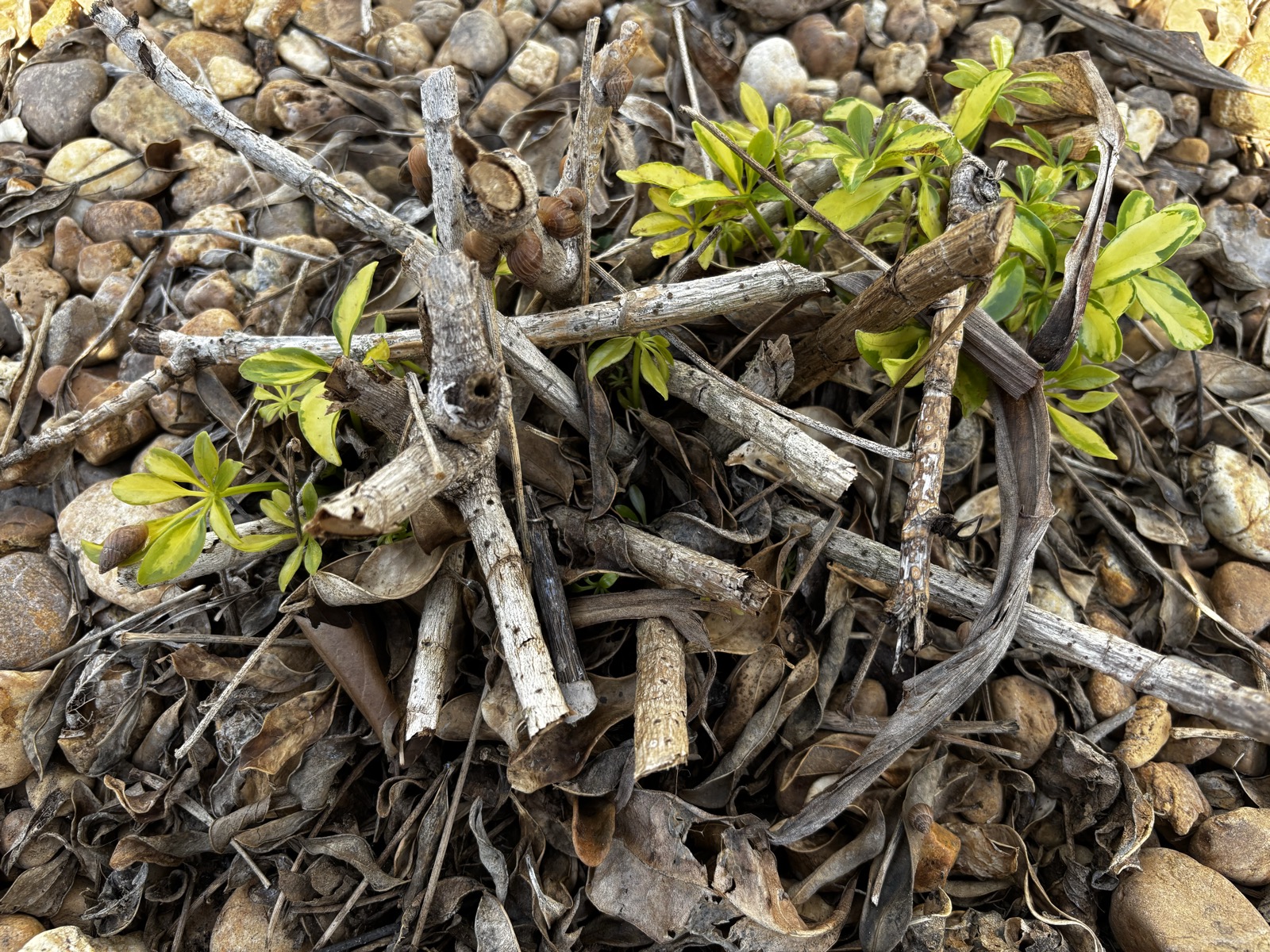
The scratch test. Take your thumbnail or a small knife and gently scratch the bark on a stem. If you see green underneath, that branch is alive. If it's brown and dry all the way through, that section is dead. Work your way down from the tips — you'll often find live tissue closer to the base.
Look for new growth. By now — late March — you should be seeing small green buds, new shoots from the base, or fresh leaves pushing out on recovering plants. If you see ANY green, the plant is fighting back.
Check the roots. For plants that look completely dead above ground, gently tug the base. If it's firmly rooted and the crown feels solid, give it more time. If it pulls out easily with mushy roots, it's gone.
What to Do Right Now (Late March)
We're in the sweet spot. The last frost date for Sumter County is around March 11, and we've had consistent warmth for two weeks. Here's your action plan:
Prune — Yes, NOW
The 4-6 week waiting period that UF/IFAS Extension recommended after the freeze? That clock has run. It's safe to prune.
- Cut back to where you find live tissue (green under the bark)
- Use clean, sharp tools — don't tear or crush stems
- For plants with dead tops but live bases, cut all the way down to 6-12 inches above ground
- Remove any mushy, black, or slimy material completely
Water — Deep and Consistent
Your recovering plants need steady moisture to push new growth. Water deeply 2-3 times per week rather than light daily watering. Deep watering encourages roots to grow down, which makes plants more resilient long-term.
Do NOT Fertilize Yet
This is the mistake most people make. Fertilizer pushes tender new growth, and if we get one more cool night, that new growth dies. Wait until mid-April when nighttime lows are consistently above 55°F before fertilizing. The UF/IFAS Extension Sumter County office specifically recommends holding off until you see consistent spring warmth.
Mulch
Add 2-3 inches of mulch around recovering plants. It holds moisture, regulates soil temperature, and protects roots that are working hard right now. Keep mulch a few inches away from the trunk to prevent rot.
Plant-by-Plant Recovery Guide
Not sure what's in your yard? Use these photos to identify your plants, then check their recovery outlook.
Likely to Recover (Prune and Wait)
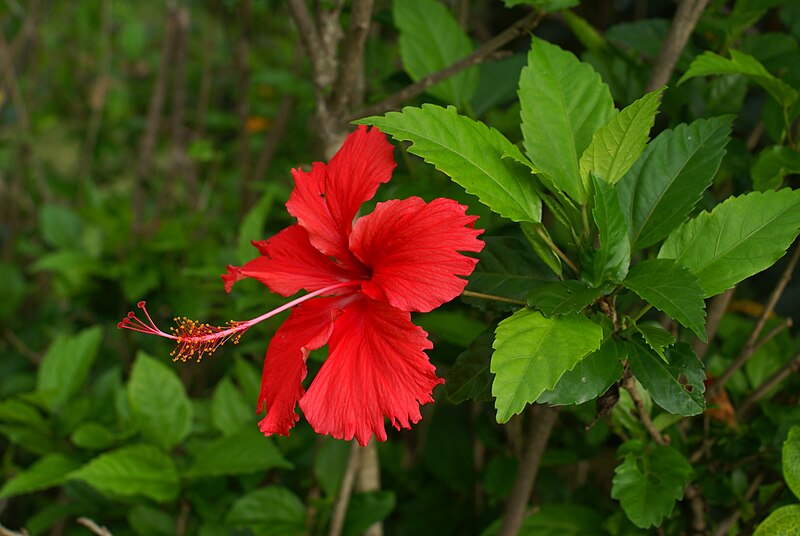
- Hibiscus (Hibiscus rosa-sinensis) — Cut back hard to live wood. New growth should appear within 2-4 weeks. May not bloom until summer.
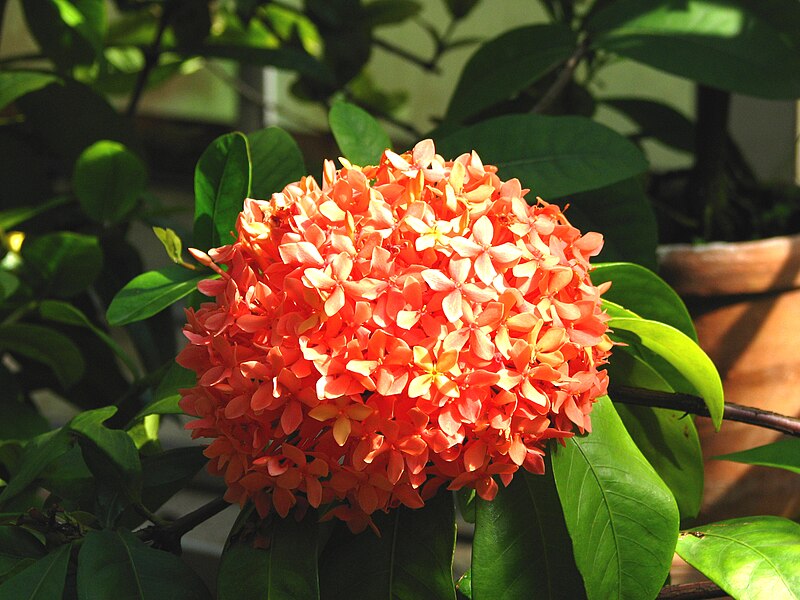
- Ixora (Ixora coccinea) — Prune dead tips back to green. Slow to recover but usually comes back from the roots.
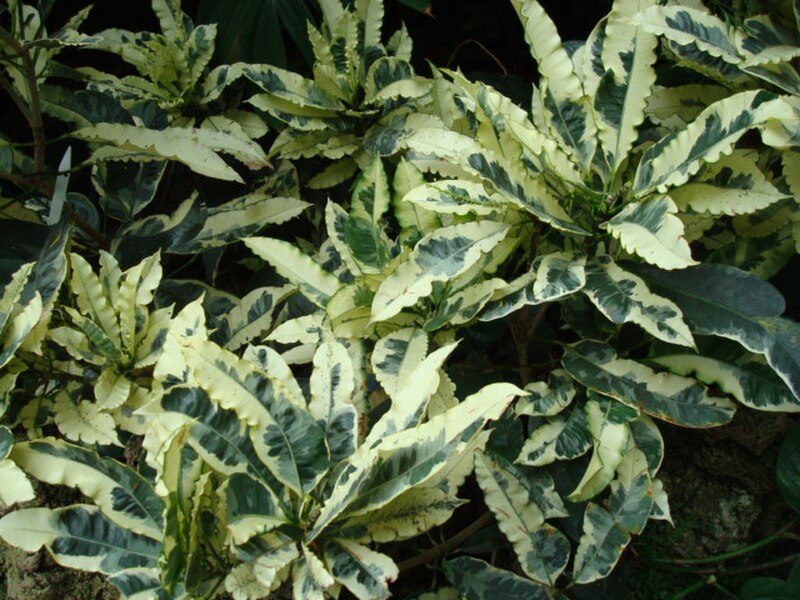
- Croton (Codiaeum variegatum) — If the stems have any green, it'll recover. Cut dead portions and give it time.
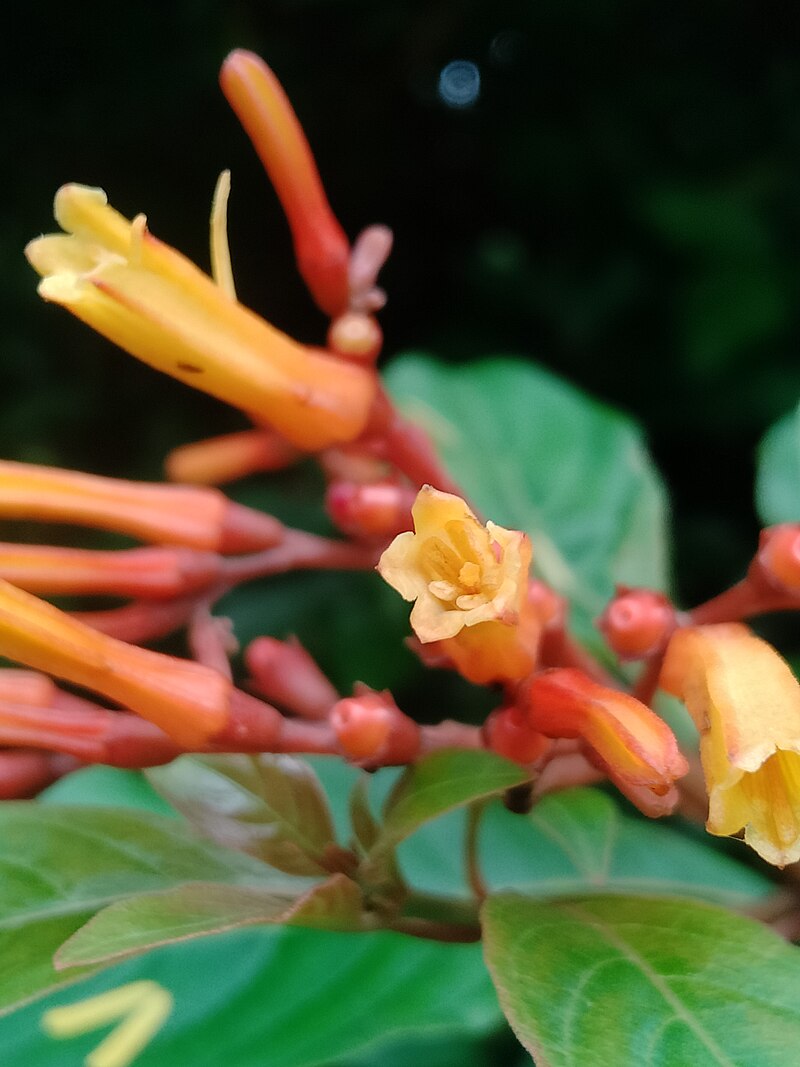
- Firebush (Hamelia patens) — Tough plant. Cut to the ground if needed — it'll come back from the base.
Recovery Takes Longer (Be Patient)
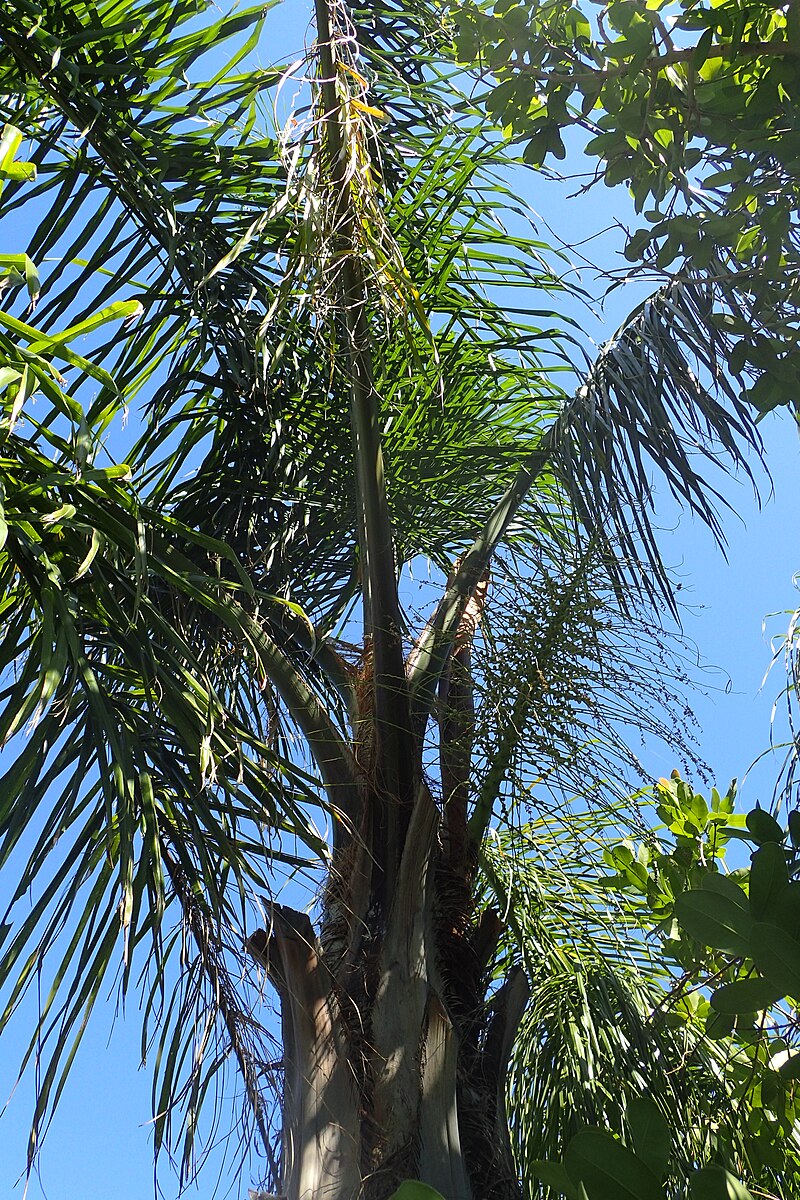
- Palms — This is the big one. Palms can take 6-12 months to show whether they'll recover. Do NOT cut the top (the spear leaf). If that central spear pulls out easily, the palm is likely gone. If it holds firm, wait. The UF/IFAS Extension Sumter County says to give palms until fall before making any decisions.
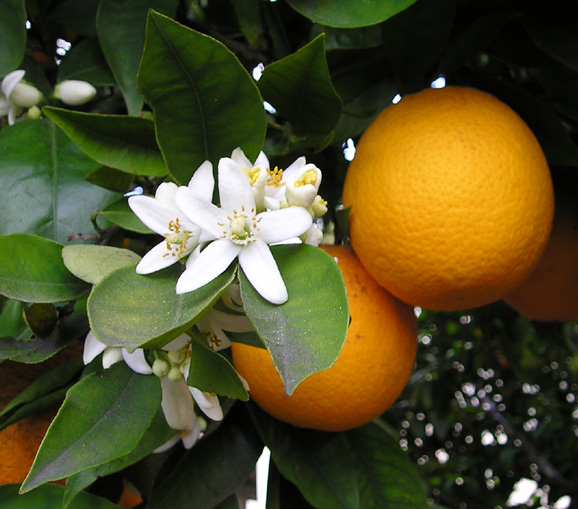
- Citrus — Inspect the trunk for splitting bark, which indicates deep damage. Minor leaf burn will recover, but split bark means that section is dead. If your citrus tree is important to you, consider a professional assessment.
Cut to Ground — They'll Come Back
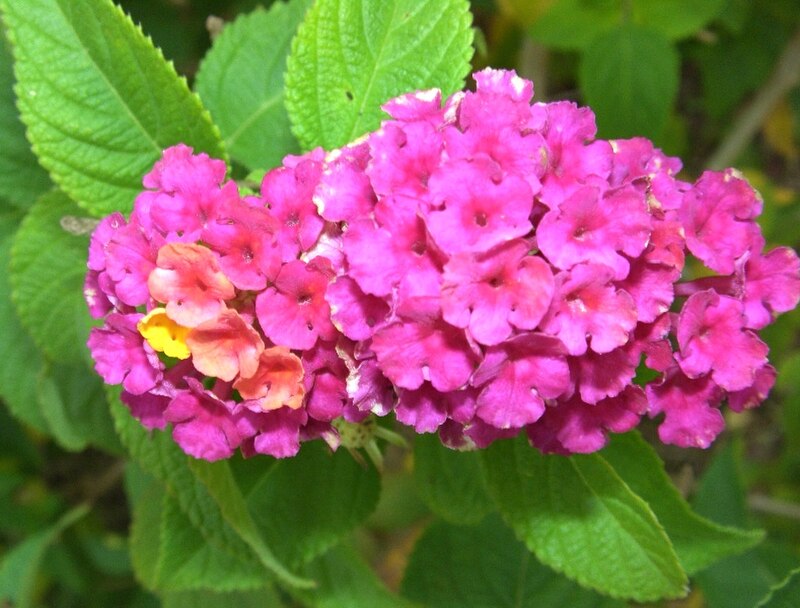
- Lantana (Lantana camara) — Looks dead, isn't. Cut it all the way down. New growth will emerge from the roots within weeks.
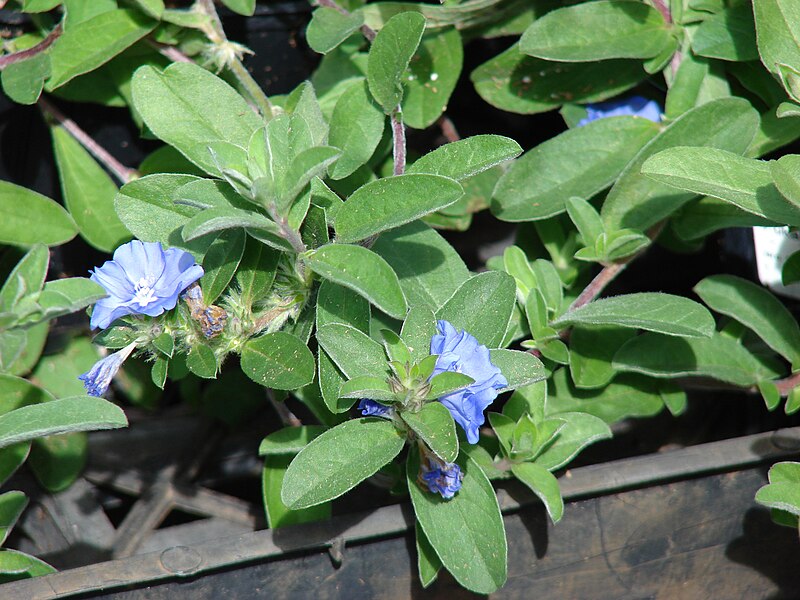
Blue Daze (Evolvulus glomeratus) — Same story. Cut back and it'll regrow from the base.
Salvia — Cut to ground level. Comes back reliably.
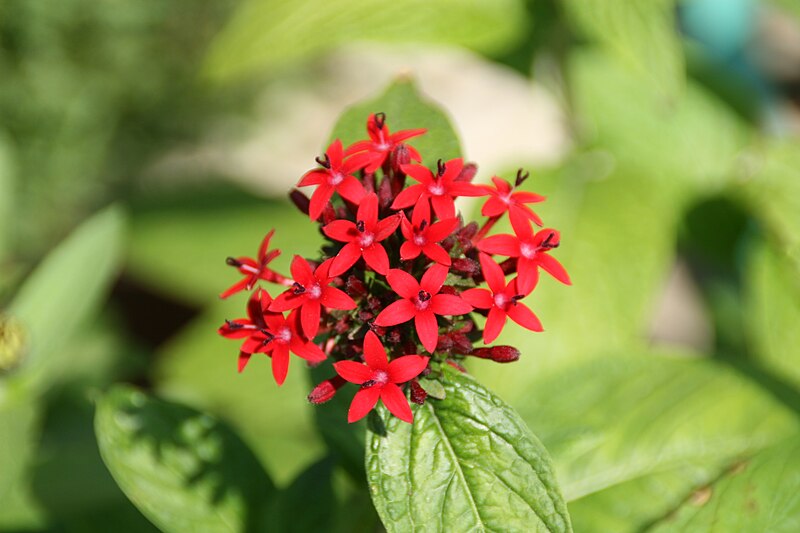
- Pentas (Pentas lanceolata) — Cut back hard. Usually returns, though it may take a month.
Probably Gone — Time to Replace
- Begonias — If they went mushy, they're done. Replace once nighttime temps are stable.
- Impatiens — Annual in our climate. Replace.
- Coleus — If the stems collapsed, it won't recover. Replant in April.
Building a Freeze-Tough Garden
If you're replacing plants that didn't make it, this is your chance to choose varieties that can handle the next deep freeze without turning your yard into a disaster zone. All of these thrive in our Zone 9a climate and can survive temps down to 20°F or lower:
Shrubs That Shrug Off Freezes
- Viburnum — Dense, adaptable, and far more frost-resilient than tropical hedges like ficus. One of the most popular hedge plants in Florida for good reason.
- Podocarpus — Evergreen with strong cold tolerance. Works as a hedge, screen, or specimen plant. Keeps its foliage through freezes that flatten everything around it.
- Holly (Dahoon or Yaupon) — Native to Florida, maintains structure and greenery year-round. The berries are a bonus.
- Loropetalum — Fringe flower. Purple or green foliage, pink blooms in spring, and it laughs at 20°F nights.
Flowering Plants That Come Back
- Camellia — Produces gorgeous white, pink, or red blooms in winter when everything else looks dead. One of the best cold-hardy flowering shrubs for Central Florida.
- Drift Rose — Hardy perennial that handles our winters without freezing back. Low maintenance, disease resistant, and blooms most of the year.
- Coontie (Zamia integrifolia) — Florida native, palm-like appearance, practically indestructible. Handles freezes, drought, and poor soil.
- Muhly Grass — Native ornamental grass with stunning pink plumes in fall. Cold-hardy, drought-tolerant, and zero maintenance once established.
Palms Worth Planting
- Sabal Palmetto (Cabbage Palm) — Florida's state tree. Survives down to 15°F. Slow-growing but bombproof.
- Pindo Palm (Butia capitata) — Cold-hardy to the low teens. Silver-blue fronds and edible fruit. Compact size works in smaller yards.
- Windmill Palm (Trachycarpus fortunei) — One of the most cold-tolerant palms in the world. Handles single-digit temps.
Talk to the staff at your local nursery about what works best for your specific yard conditions — sun exposure, soil type, and irrigation all matter.
When to Give Up and Replace
If a plant shows zero new growth by mid-April — no green buds, no fresh shoots, nothing — it's probably gone. Pull it, amend the soil, and replant. Late April through May is the ideal window for planting in Central Florida. The soil is warm, the rain is coming, and new plants have the whole growing season to establish roots.
Local Resources
You don't have to figure this out alone. Here are the experts:
- UF/IFAS Extension Sumter County in Bushnell — free gardening advice from Master Gardeners
- UF/IFAS Extension Marion County in Ocala — workshops, plant clinics, and the Marion County Master Gardener Association
- UF/IFAS Extension Lake County in Tavares — home to Discovery Gardens, the demonstration garden where you can see what thrives in our climate
- Spring Plant Sale at Discovery Gardens — this Saturday, March 28 in Tavares. Master Gardeners selling native plants, citrus, and tropicals. They'll answer your freeze recovery questions in person.
- Citrus County Master Gardeners Spring Plant Sale — May 9 at the UF/IFAS Extension Citrus County in Inverness
Your Yard Will Come Back
The February freeze was rough, but Central Florida landscapes are more resilient than they look. Most of what's brown right now is dormant, not dead. Give your plants another few weeks of warm weather, consistent water, and proper pruning, and by May your yard will look like a different place.
And if you're replanting, think of it as an upgrade. The freeze-tough varieties in this guide will give you the same lush, tropical look — without the heartbreak next time temps drop.
Got a gardening tip or a question about a specific plant? Email [email protected]